End-to-end commerce case study
Private ClientSezon Store
A multi-vendor mobile product connecting the seller’s catalogue work to the customer’s path from discovery through payment and orders.
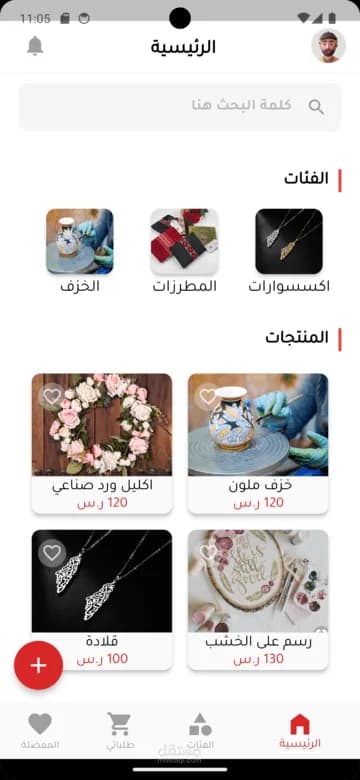
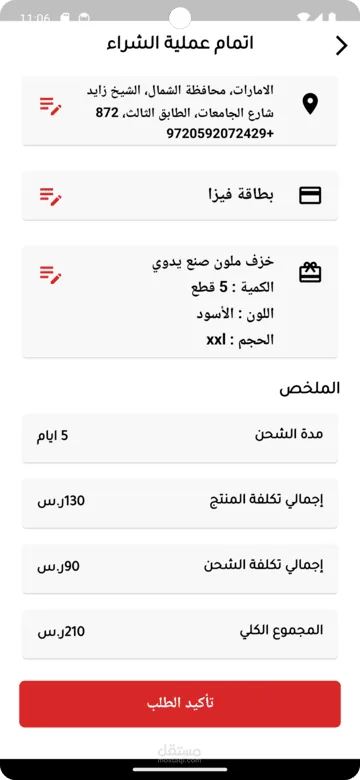
- Ownership
- Full build
- Platforms
- Android
- Domain
- E-commerce · Multi-vendor · Payments
Project snapshot
The production surface at a glance.
- Role / ownership
- End-to-end Flutter build
- Product type
- Multi-vendor commerce application
- Platforms / status
- Android · Private Client
- Primary responsibility
- End-to-end Flutter application delivery across customer and vendor journeys, Firebase-backed product behavior, and payment integration.
- Engineering areas
- Catalogue discovery, product details, seller product creation, cart, shipping, payment methods, and orders.
- Verified technology
The product challenge
Two sides of commerce must resolve into one dependable order.
A multi-vendor product has to support more than a customer catalogue. Sellers need a clear way to create and maintain products while customers need enough detail, pricing, shipping context, and payment choice to complete an order.
The mobile challenge is continuity: product data created on one side must remain understandable and actionable across discovery, checkout, payment selection, and later order management.
Ownership and responsibility
An individually delivered mobile build across both product roles.
Wasem confirmed full-build responsibility for the mobile application. The case study stays within the supported Flutter product surface and does not imply ownership of undocumented server infrastructure.
Commerce structure
Connect categories, products, details, cart context, shipping, payment selection, and saved orders as one mobile system.
Vendor workflow
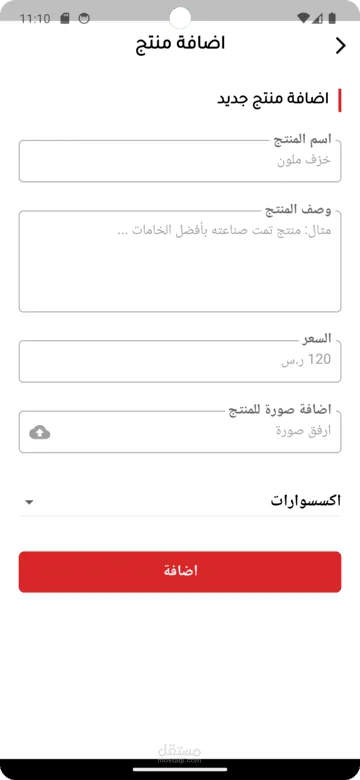
Give sellers a dedicated product-creation path with the information required to publish catalogue inventory.
Payment boundary
Implement supported Stripe and payment-method experiences while keeping the amount and order context visible.
Android delivery
Carry the Flutter application through its recorded Android delivery scope as a private-client product.
Product-system approach
Model the app around durable commerce responsibilities.
The visible system separates catalogue, transaction, and fulfilment responsibilities while preserving the product and order context between them.
- 01
Supply
Vendor product creation establishes sellable catalogue data.
- 02
Discovery
Categories and details help customers evaluate available products.
- 03
Commitment
Cart, shipping, and payment choices converge at checkout.
- 04
Recovery
Order management retains the result after the transaction.
Evidence boundary. Flutter, GetX, Firebase, Stripe, Android, and the visible product journeys are supported. Backend topology and operational commerce metrics are not documented.
Commerce flow
A product moves from inventory to a recoverable order.
The sequence pairs customer-facing commitment with the vendor surface that supplies the catalogue.
- 01
Evaluate a product
Review imagery, pricing, selection controls, and product detail before adding an item.

Product context precedes cart commitment. - 02
Resolve payment
Choose among the supported payment methods at the point of checkout.
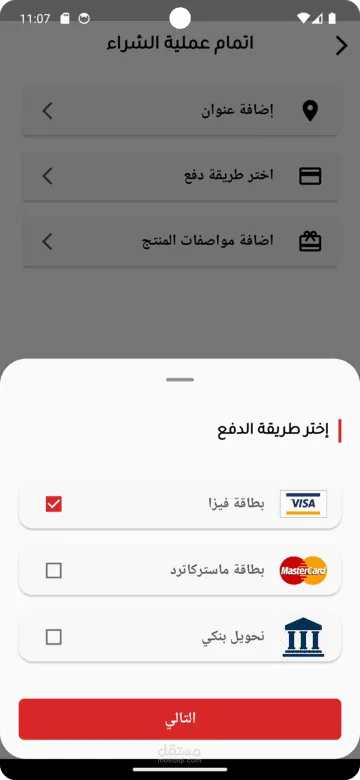
Payment choice is a distinct, comprehensible step. - 03
Return to the order
Use the orders surface to recover and manage the result after checkout.
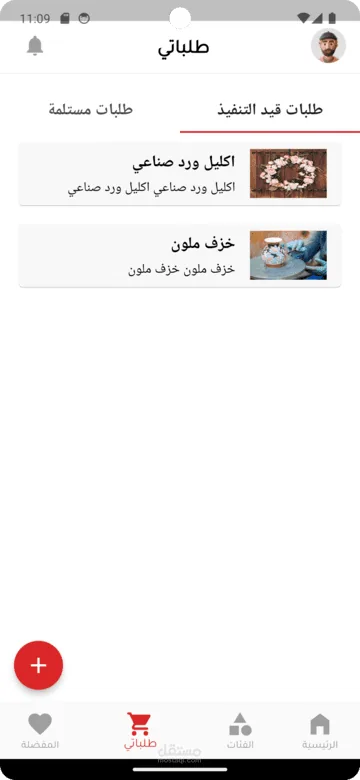
The transaction remains available after payment.
Commerce decisions
Protect the handoffs where product intent becomes an order.
The strongest evidence is in visible journey structure, so the decisions stay grounded in customer and vendor behavior.
Keep product context visible through checkout
- Context
- Price, quantity, delivery, and payment decisions accumulate across several screens.
- Decision
- Present an explicit order review before the final payment action.
- Why
- Customers can verify the commercial commitment before submitting it.
Separate payment choice from the order summary
- Context
- Multiple payment methods add choice at the most sensitive point in the flow.
- Decision
- Use a focused payment-method surface rather than compressing every option into the cart.
- Why
- The user can make one clear decision without losing the underlying order context.
Treat vendor creation as a first-class journey
- Context
- A multi-vendor catalogue depends on sellers supplying structured product data.
- Decision
- Provide a dedicated creation workflow instead of representing the app only as a storefront.
- Why
- The mobile product supports both the supply and customer sides of commerce.
Verified technology
Only the stack supported by the evidence.
- Mobile product
- Flutter · Dart · GetX
- Product services
- Firebase · Stripe
- Delivery
- Android
Vendor evidence
The catalogue begins on the seller side.
This final screen makes the multi-vendor scope explicit without repeating the customer transaction sequence.
Delivery boundary
A private-client Android product with public code evidence.
The project is recorded as an Android Flutter build delivered end to end by Wasem, with the source repository available publicly.
No live-store, order-volume, revenue, or conversion claim is made because those outcomes are not supported by the supplied evidence.
Factual outcome
A coherent multi-vendor journey from catalogue supply to orders.
The defensible result is a Flutter commerce application covering both vendor product creation and the customer’s discovery, checkout, payment, and order paths.
- Confirmed end-to-end individual mobile build
- Multi-vendor and customer workflows
- Verified Firebase and Stripe experience
- Public GitHub repository
Continue the evidence
Next: Aid for Palestine
A humanitarian aid platform supporting beneficiary stories, donor journeys, donations, identity verification, wallet and withdrawal flows, bank-account management, QR-based fundraising, messaging, updates, and technical support.